
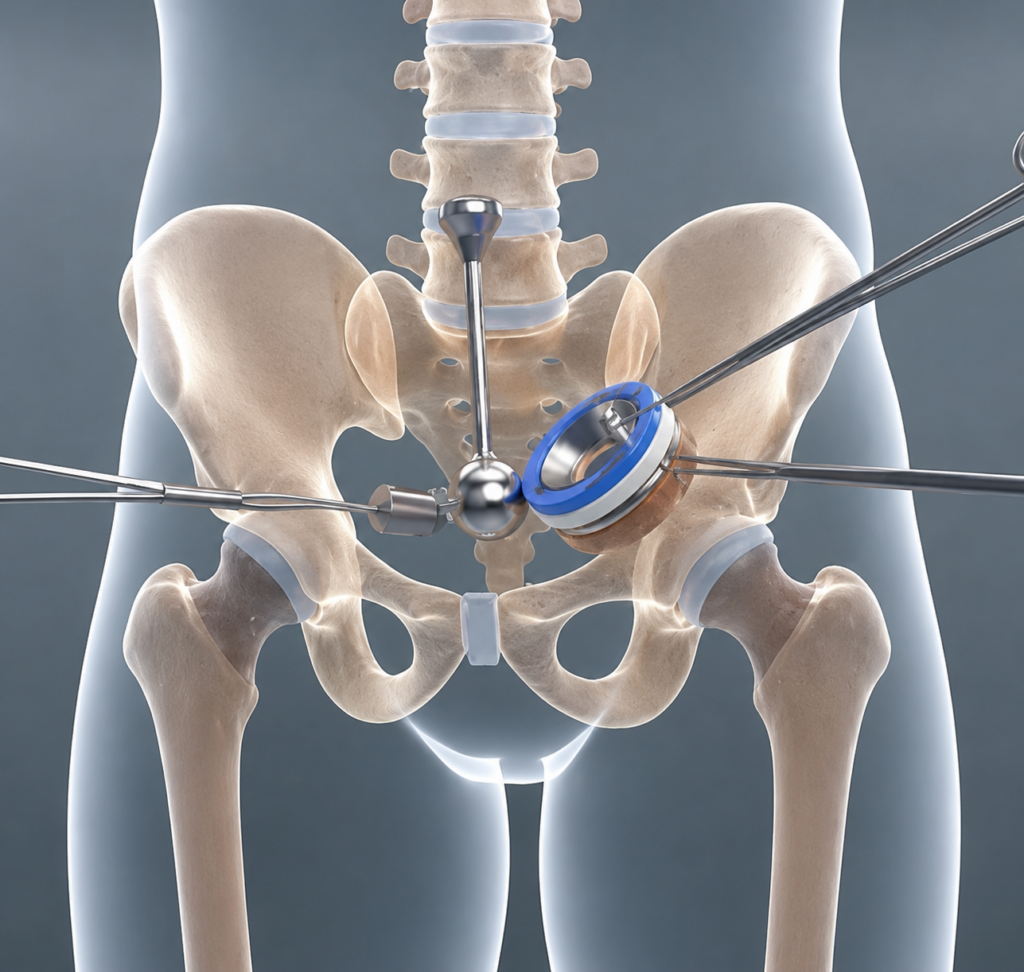
Hip pain can gradually turn everyday activities into a challenge. Walking, climbing stairs, getting in and out of a chair, or even sleeping comfortably can become difficult when the hip joint is severely damaged. When non surgical treatments no longer provide relief, hip replacement surgery is often recommended.
Today, patients have more surgical options than ever before. One of the most talked about advancements is DAA hip replacement, a technique that has transformed how many orthopedic surgeons perform hip replacement procedures. But how does it compare to traditional methods, and why are more patients asking about it?
This guide explains the differences between direct anterior approach hip replacement and conventional hip replacement surgery, helping you understand whether this modern technique may be suitable for your condition.
Understanding DAA Hip Replacement
DAA hip replacement, also known as direct anterior approach hip replacement, is a surgical technique used to replace a damaged hip joint through an incision made at the front of the hip.
Unlike traditional approaches that require surgeons to cut through or detach muscles to access the joint, this muscle sparing hip replacement technique works between natural muscle planes. By avoiding major muscle disruption, surgeons can often reduce tissue trauma and support a smoother recovery process.
In simple terms, anterior hip replacement surgery focuses on reaching the hip joint through the front rather than the side or back, making it one of the most popular modern hip replacement techniques available today.
What Happens During the Procedure?
During anterior hip replacement surgery, the damaged portions of the hip joint are removed and replaced with artificial components designed to restore movement and reduce pain.
The surgeon carefully accesses the joint through the anterior pathway while preserving surrounding muscles. This approach is considered an advanced hip replacement procedure because it requires specialized training, surgical planning, and experience.
For many patients, the procedure offers a less disruptive alternative compared to conventional surgical approaches.
Traditional Hip Replacement: How It Works
Traditional hip replacement is typically performed using either the posterior approach or lateral approach.
In these methods, surgeons reach the hip joint from the back or side of the hip. While these techniques have been successfully used for decades and continue to deliver excellent outcomes, they often involve detaching or splitting muscles to gain access to the joint.
Because muscles need time to heal after surgery, recovery may sometimes take longer compared to certain minimally invasive techniques.
Traditional vs Anterior Hip Replacement: Key Differences
Understanding the differences between traditional vs anterior hip replacement can help patients make informed decisions.
1. Surgical Access
The most noticeable difference is the location of the incision.
Direct anterior approach hip replacement uses an incision at the front of the hip, while traditional procedures typically use side or posterior incisions.
2. Muscle Preservation
One of the biggest advantages of muscle sparing hip replacement is that surgeons work between muscles rather than cutting through them.
Traditional methods may require partial muscle detachment, which can contribute to additional healing time.
3. Recovery Experience
Many patients undergoing minimally invasive hip replacement report improved early mobility and faster return to routine activities.
Although recovery varies for every individual, preserving muscle tissue often supports quicker rehabilitation during the initial weeks after surgery.
4. Postoperative Restrictions
Traditional posterior hip replacement procedures may require specific movement precautions to reduce dislocation risk.
Patients undergoing DAA hip replacement often experience fewer movement restrictions during early recovery because of the approach’s natural muscle preservation.
5. Cosmetic Benefits
The incision used in anterior hip replacement surgery is typically smaller and located toward the front of the hip, which some patients prefer from a cosmetic perspective.
Why Is DAA Hip Replacement Considered a Minimally Invasive Hip Replacement?
The term minimally invasive hip replacement refers to techniques designed to reduce disruption to muscles, tendons, and surrounding soft tissues.
The anterior approach aligns well with this goal because it uses natural anatomical pathways to reach the joint. By minimizing tissue damage, surgeons can often reduce postoperative discomfort and help patients regain mobility sooner.
It is important to understand that “minimally invasive” does not mean minor surgery. Hip replacement remains a major orthopedic procedure requiring careful planning and rehabilitation. However, modern surgical methods aim to make the recovery journey more comfortable and efficient.
Benefits of DAA Hip Replacement
Many orthopedic specialists recommend DAA hip replacement for appropriate candidates because of several potential advantages.
Faster Early Recovery
Patients frequently experience improved mobility in the early stages of recovery, allowing them to begin walking and participating in rehabilitation sooner.
Reduced Muscle Trauma
Because this is a muscle sparing hip replacement, there is less disruption to major muscle groups surrounding the hip.
Improved Joint Stability
Preserving key muscle structures may contribute to enhanced hip stability after surgery.
Less Postoperative Discomfort
Many patients report reduced soft tissue soreness compared to approaches that involve significant muscle detachment.
Quicker Return to Daily Activities
One of the most recognized benefits of DAA hip replacement is the ability for some patients to resume everyday tasks more quickly than expected.
Who Is a Good Candidate for Anterior Hip Replacement Surgery?
While anterior hip replacement surgery offers many benefits, it may not be the ideal solution for every patient.
Factors that influence suitability include:
- Age and overall health
- Body structure and anatomy
- Severity of hip arthritis or joint damage
- Previous hip surgeries
- Bone quality
- Presence of complex orthopedic conditions
An experienced orthopedic surgeon will evaluate these factors before recommending the most appropriate surgical approach.
The Role of Technology in Latest Hip Replacement Surgery
The evolution of the latest hip replacement surgery techniques has been driven by advances in surgical technology.
Today’s orthopedic surgeons may use:
- Advanced imaging systems
- Computer assisted planning
- Precision implant positioning tools
- Enhanced surgical instruments
- Modern rehabilitation protocols
These innovations help improve accuracy, optimize implant placement, and support better long term outcomes.
As a result, modern hip replacement techniques continue to evolve, offering patients more personalized treatment options than ever before.
Recovery After DAA Hip Replacement
Recovery timelines vary depending on individual health, fitness levels, and rehabilitation commitment.
Most patients can expect:
Early Mobility
Walking often begins within hours or days after surgery under professional supervision.
Physical Therapy
Structured rehabilitation helps restore strength, flexibility, and confidence in movement.
Gradual Return to Activities
Most daily activities can typically be resumed progressively as healing advances.
Long Term Improvement
The primary goal of any advanced hip replacement procedure is long lasting pain relief, improved mobility, and better quality of life.
Following the surgeon’s recommendations remains essential for achieving the best possible outcome.
Is DAA Hip Replacement Better Than Traditional Hip Replacement?
There is no universal answer because every patient is different.
When comparing traditional vs anterior hip replacement, the best approach depends on individual anatomy, medical history, surgeon expertise, and treatment goals.
For many patients, DAA hip replacement offers significant advantages through muscle preservation, potentially faster recovery, and improved early mobility. However, traditional approaches remain highly successful and may be preferable in certain complex cases.
The most important factor is choosing an experienced orthopedic surgeon who can recommend the right technique based on your specific needs.
TakeAway
DAA hip replacement has emerged as one of the most advanced options in modern orthopedic surgery. By utilizing the direct anterior approach hip replacement technique, surgeons can perform a muscle sparing hip replacement that minimizes tissue disruption while supporting faster recovery and improved early mobility.
As one of the leading modern hip replacement techniques, it represents a significant advancement in patient focused care. If hip pain is affecting your daily life, consulting an orthopedic specialist can help determine whether this minimally invasive hip replacement approach or another treatment option is the most suitable path toward lasting relief and improved movement.