
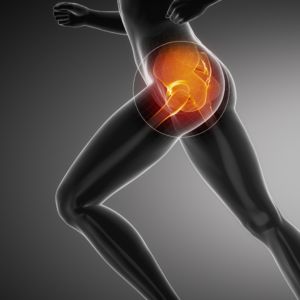
The sharp twinge when you stand up from a chair or the dull ache that keeps you tossing and turning at night—hip pain is more than just a physical sensation; it is a disruption of your quality of life. When your hip joint stops cooperating, the world can feel much smaller. However, feeling a “glitch” in your hip doesn’t mean you are destined for the operating table.
For many, the fear of invasive procedures leads to a “wait and see” approach that often makes the condition worse. In reality, modern medicine offers a wide array of non-surgical hip pain solutions that can effectively manage symptoms, improve mobility, and, in many cases, delay or entirely prevent the need for a hip replacement.
Understanding the Root of the Discomfort
Before diving into hip pain treatment, it is essential to understand what is happening inside the joint. The hip is a “ball and socket” joint designed to withstand repeated motion and significant wear and tear. However, various factors can trigger pain:
- Osteoarthritis: The “wear and tear” of cartilage that cushions the joint.
- Bursitis: Inflammation of the small, liquid-filled sacs (bursae) that reduce friction.
- Tendinopathy: Irritation of the tendons that connect muscles to the hip bone.
- Labral Tears: A tear in the ring of cartilage that follows the outside rim of the socket.
Regardless of the cause, the goal of conservative management is to reduce inflammation and restore mechanical function.
The Power of Physical Therapy
One of the most evidence-based methods for achieving hip pain relief without surgery is through a structured rehabilitation program. A joint is only as stable as the muscles surrounding it. If your glutes, hip flexors, and core are weak, the hip joint absorbs more impact than it was designed to handle.
Why Physiotherapy for Hip Pain Works
Physiotherapy for hip pain isn’t just about simple stretching. It involves a personalized assessment of your gait (how you walk), your posture, and your muscle firing patterns. A skilled therapist focuses on:
- Manual Therapy: Hands-on techniques to improve joint mobilization.
- Strengthening: Targeting the gluteus medius and minimus to provide a “natural brace” for the hip.
- Range of Motion Exercises: Gradually increasing the joint’s flexibility without causing further irritation.
Research consistently shows that patients who commit to a 12-week physiotherapy program often report a significant decrease in pain scores comparable to those who undergo minor surgical interventions.
Lifestyle Modifications and Movement
It sounds counterintuitive, but when your hip hurts, moving more (in the right way) is often the best hip pain treatment. Weight management is also a critical factor; for every pound of body weight lost, the pressure on the hip joint is reduced by nearly fourfold during daily activities.
Low-Impact Exercises
Transitioning from high-impact activities like running to low-impact alternatives can offer immediate hip pain relief without surgery. Consider:
- Swimming or Water Aerobics: The buoyancy of water supports your weight, allowing you to move the joint through its full range of motion without the stress of gravity.
- Cycling: Excellent for building leg strength without the pounding of pavement.
- Pilates: Focuses on core stability, which is vital for maintaining proper hip alignment.
Pharmacological and Regenerative Approaches
If exercise and therapy aren’t enough to manage the flare-ups, there are several medical non-surgical hip pain solutions that can bridge the gap.
Anti-Inflammatory Medications
Over-the-counter NSAIDs (like ibuprofen or naproxen) are often the first line of defense. However, for chronic issues, doctors may recommend:
- Topical Creams: These deliver relief directly to the area with fewer systemic side effects.
- Corticosteroid Injections: A powerful anti-inflammatory “reset” for the joint. While not a permanent cure, an injection can reduce swelling enough to allow a patient to engage more effectively in physiotherapy for hip pain.
The Rise of Orthobiologics
We are entering an era where the body’s own healing mechanisms are used as a form of hip pain treatment.
- PRP (Platelet-Rich Plasma): Using a concentration of your own blood platelets to stimulate healing in tendons or ligaments.
- Hyaluronic Acid Injections: Often called “rooster combs” or “gel shots,” these act as a lubricant for an arthritic joint, mimicking the natural fluid found in a healthy hip.
Ergonomics: Small Changes, Big Impact
Often, our daily environment sabotages our hip health. If you spend eight hours a day sitting, your hip flexors become chronically shortened, and your glutes “turn off.”
To find hip pain relief without surgery at home or work:
- Adjust Your Seat: Ensure your hips are slightly higher than your knees when sitting.
- Sleep Support: If you are a side sleeper, place a pillow between your knees to keep your hips in a neutral alignment.
- Footwear Matters: Shoes with proper arch support can prevent your kinetic chain from collapsing, which eventually puts strain on the hip.
When Should You Reconsider Surgery?
While the focus should always be on non-surgical hip pain solutions, it is important to be realistic. Surgery—such as a total hip replacement—is a life-changing and highly successful procedure. You might need to consult a surgeon if:
- The pain is present even at rest or during the night.
- You have a significant limp that is affecting your back or knees.
- Conservative treatments, including months of physiotherapy for hip pain, have failed to improve your quality of life.
- Imaging (X-rays/MRI) shows “bone-on-bone” contact that cannot be managed through lifestyle changes.
Conclusion: Taking the First Step
Navigating hip discomfort is a journey, not a sprint. By prioritizing hip pain treatment methods like weight management, targeted strengthening, and inflammation control, you empower yourself to stay active on your own terms.
Before resigning yourself to the operating room, explore the depth of non-surgical hip pain solutions available today. Whether it is a new routine in the pool or a dedicated stint in physiotherapy for hip pain, your body has a remarkable capacity to adapt and heal when given the right tools.
Don’t let the fear of “what’s next” stop you from seeking help today. Small, consistent steps in conservative care often lead to the greatest strides in long-term mobility and hip pain relief without surgery.