
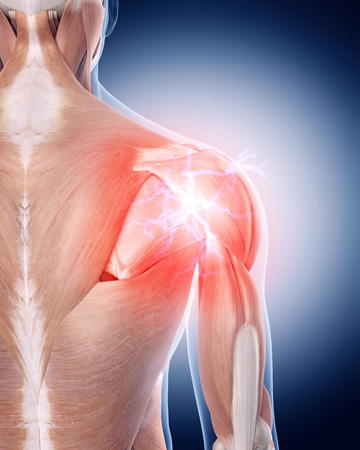
Shoulder pain often starts as a mild discomfort that people ignore hoping it will resolve with rest or basic medication. Over time it can begin to interfere with sleep, daily movement and even simple tasks like lifting your arm or reaching behind your back. The real concern begins when this pain does not improve with conservative care and starts affecting your quality of life.
Understanding when shoulder pain requires surgery is not always straightforward. Many patients delay treatment thinking surgery is the last option while others rush into it without exploring proper diagnosis. This guide brings clarity from an expert perspective to help you recognize when surgical intervention becomes necessary and how the right approach to shoulder joint care can make all the difference.
Understanding Shoulder Pain and Its Causes
The shoulder is one of the most mobile joints in the human body. This flexibility makes it highly functional but also vulnerable to injuries and degeneration.
Common causes of persistent shoulder pain include
- Rotator cuff tears
- Frozen shoulder
- Arthritis of the shoulder joint
- Repetitive strain injuries
- Dislocations or trauma
A key factor that determines treatment is whether the damage is reversible through physiotherapy and medication or requires surgical correction.
What Does Shoulder Surgery Actually Mean
Shoulder surgery refers to a range of procedures performed to repair damaged structures within the shoulder joint. These may involve tendons, ligaments, cartilage or even the joint itself.
In simple terms surgery is recommended when the body cannot heal the damage on its own or when the structural problem is too severe to be corrected without intervention.
For patients considering shoulder surgery Mumbai offers access to advanced orthopedic care with minimally invasive techniques that reduce recovery time and improve outcomes.
When Does Shoulder Pain Require Surgery
1. Persistent Pain That Does Not Improve
If shoulder pain continues for several months despite medication physiotherapy and lifestyle changes it may indicate a deeper structural issue. Chronic pain is often the first signal that conservative treatment is no longer enough.
2. Limited Range of Motion
Difficulty in lifting your arm, rotating it or performing daily tasks like dressing can point toward significant joint or tendon damage. This is commonly seen in severe rotator cuff injuries or frozen shoulder cases that have progressed.
3. Confirmed Rotator Cuff Tear
A rotator cuff tear is one of the most common reasons for surgical intervention. While minor tears can heal with therapy, larger or complete tears often require rotator cuff surgery to restore function and prevent further deterioration.
4. Shoulder Instability or Repeated Dislocations
Frequent dislocations indicate that the shoulder joint is unstable. This condition can worsen over time and may require surgical tightening or repair of ligaments to prevent recurrence.
5. Advanced Arthritis
When cartilage in the shoulder joint wears down completely it leads to bone on bone friction causing severe pain and stiffness. In such cases shoulder replacement becomes a viable option to restore mobility and relieve pain.
Role of an Orthopedic Surgeon Shoulder Specialist
Choosing the right orthopedic surgeon shoulder expert is crucial for accurate diagnosis and treatment planning.
A skilled specialist does more than recommend surgery. They assess your condition using imaging tests, physical evaluation and medical history before suggesting the best course of action.
An experienced surgeon will always explore non surgical treatments first and recommend surgery only when it is truly necessary. This approach aligns with modern shoulder joint care practices that prioritize patient safety and long term outcomes.
Types of Shoulder Surgeries Explained
Rotator Cuff Surgery
This procedure repairs torn tendons in the shoulder. It is often performed using arthroscopy which involves small incisions and a camera guided approach.
Patients who undergo rotator cuff surgery typically regain strength and mobility over time with proper rehabilitation.
Shoulder Replacement
In cases of severe arthritis or joint damage the damaged parts of the shoulder are replaced with artificial components.
Shoulder replacement is known to significantly reduce pain and improve function especially in older adults or those with long standing joint degeneration.
Arthroscopic Shoulder Surgery
This minimally invasive technique is used for multiple conditions including ligament repair removal of damaged tissue and treatment of impingement.
It offers faster recovery and minimal scarring compared to traditional open surgery.
Recovery and Rehabilitation What to Expect
Surgery is only one part of the journey. Recovery plays an equally important role in achieving successful outcomes.
Typical recovery involves
- Initial rest and immobilization
- Gradual physiotherapy
- Strength building exercises
- Regular follow up with the surgeon
Most patients notice steady improvement over weeks to months depending on the type of surgery and their overall health.
Consistency in rehabilitation is essential for restoring full shoulder joint care and preventing future complications.
Can Surgery Be Avoided
In many cases shoulder pain can be managed without surgery if diagnosed early. Treatment options include
- Physiotherapy
- Anti inflammatory medications
- Lifestyle modifications
- Activity correction
However delaying necessary surgery can sometimes worsen the condition making recovery more complex. This is why timely evaluation by a specialist is critical.
Practical Signs You Should Not Ignore
If you experience any of the following it is time to consult a specialist
- Pain that disrupts sleep
- Sudden weakness in the arm
- Inability to lift or rotate the shoulder
- Clicking or grinding sensation
- Swelling or visible deformity
These symptoms often indicate underlying issues that may require surgical attention.
Importance of Early Diagnosis
Early diagnosis not only increases the chances of avoiding surgery but also improves surgical outcomes when needed.
Modern diagnostic tools allow precise identification of the problem helping doctors recommend targeted treatment plans.
Patients who seek timely care often recover faster and regain better function compared to those who delay treatment.
Choosing the Right Approach to Shoulder Joint Care
Effective shoulder joint care goes beyond treating pain. It involves a holistic approach that includes
- Accurate diagnosis
- Personalized treatment plans
- Skilled surgical intervention when required
- Structured rehabilitation
Patients in Mumbai have access to advanced care options that combine expertise with technology ensuring better outcomes and faster recovery.
To Wrap it Up
Shoulder pain is easy to ignore in its early stages but it can gradually evolve into a condition that limits your daily life. Knowing when surgery is necessary empowers you to make informed decisions rather than delaying treatment or opting for unnecessary procedures.
Whether it is rotator cuff surgery, shoulder replacement or expert evaluation by an orthopedic surgeon shoulder specialist the key lies in timely action and the right guidance.
If your shoulder pain has been persistent or worsening it may be time to explore advanced treatment options. Prioritizing your shoulder joint care today can help you regain mobility, comfort and confidence in the long run.